Solar lighting
Solar-powered lights outside each house in the two villages.
Each one has a place, a method and a budget. Choose the one you want to stand behind.
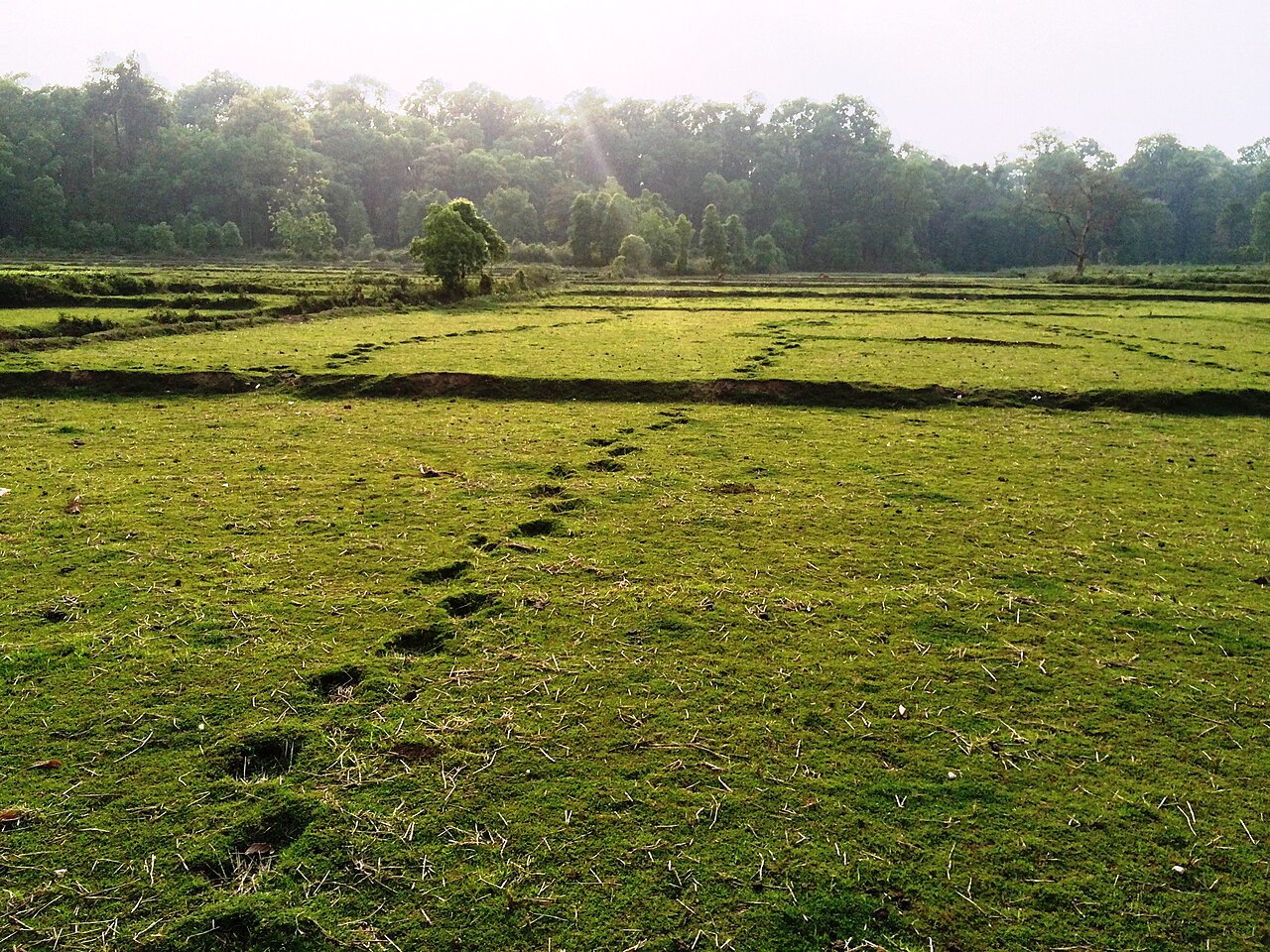
Solar light for safe villages and wildlife coexistence
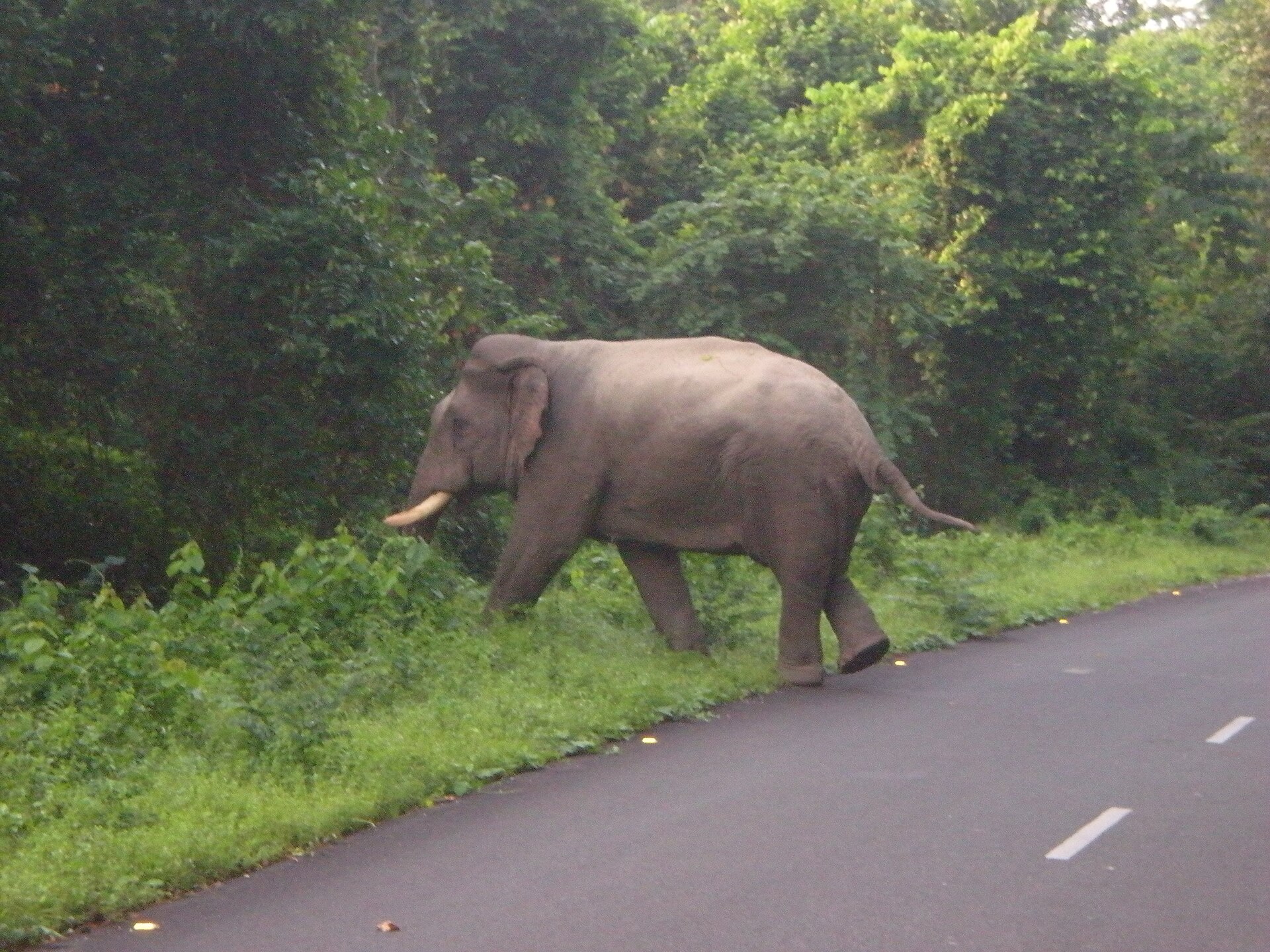
Villages along the forest boundaries of West Bengal frequently experience human-wildlife interactions, particularly at night. Poor illumination around houses, pathways and village edges makes it hard for residents to see approaching wild animals, and raises the chance of sudden encounters.
Elephants and other wildlife move through or near settlements while travelling between forest habitats, water sources and feeding areas. Such encounters can result in human injury or death, crop damage, property damage and distress for both people and wildlife.
Under the pilot, solar-powered lights will be installed outside houses in two selected forest-fringe villages. The lights are positioned to illuminate the ground and the area immediately in front of each house, while avoiding unnecessary light towards the forest.
Solar-powered lights outside each house in the two villages.
Families learn how to stay safe when wildlife passes at night.
Light on the ground and doorstep, never towards the forest.
Villagers take part in tracking whether visibility and safety improve.
The pilot will help FWN Foundation assess whether carefully designed household-level solar lighting can improve night-time visibility and make coexistence safer.
Fund this projectClean Shushunia, green future
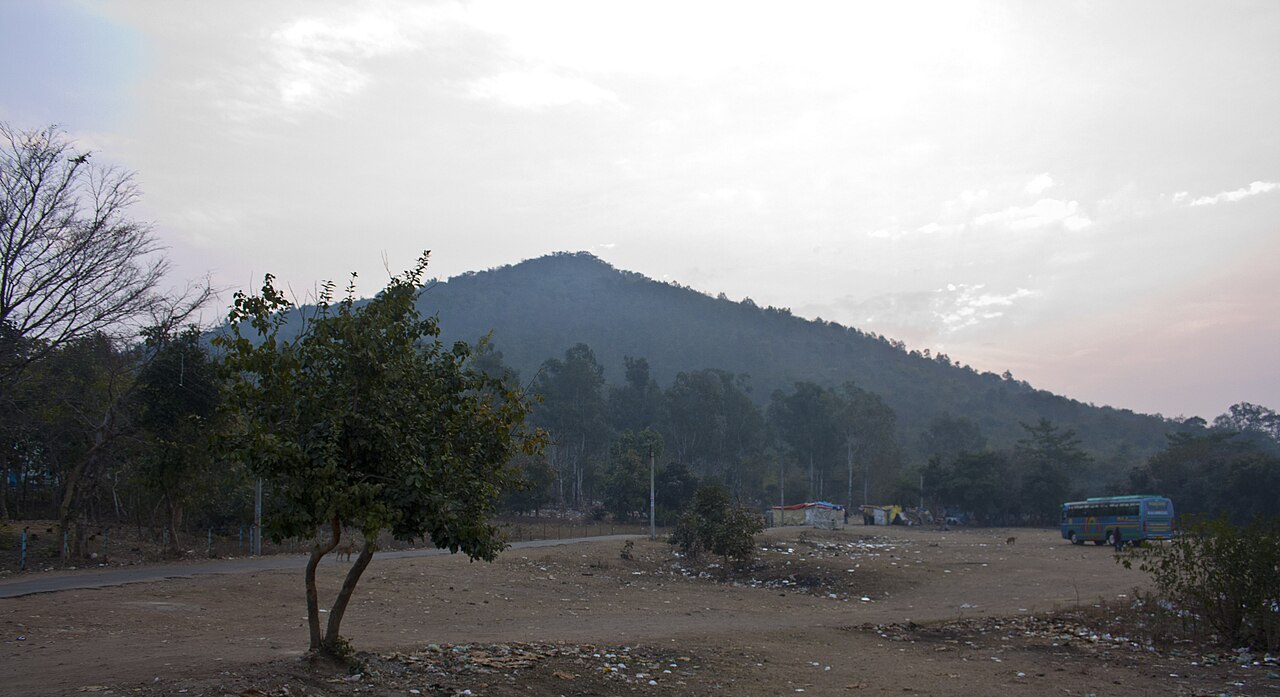
Shushunia is one of the important natural and cultural tourist destinations of Bankura, West Bengal, known for its hills, forests, springs, biodiversity, archaeological heritage and scenic landscape.
The growing number of tourists and visitors, particularly during holidays and festivals, has brought growing quantities of single-use plastic bottles, food packets, carry bags, cups, wrappers and other plastic waste.
If unmanaged, plastic waste can degrade the landscape, pollute soil and water, threaten wildlife, spoil the beauty of the destination and harm sustainable tourism. FWN Foundation proposes a twelve-month community-based initiative to reduce plastic pollution and establish a practical model for sustainable tourism.
Cleaner hills, forests and springs.
A healthier ecosystem for the wildlife of the hill.
A destination that stays worth visiting.
Less plastic, more nature. A year of work with the community that lives and trades around the hill.
Fund this project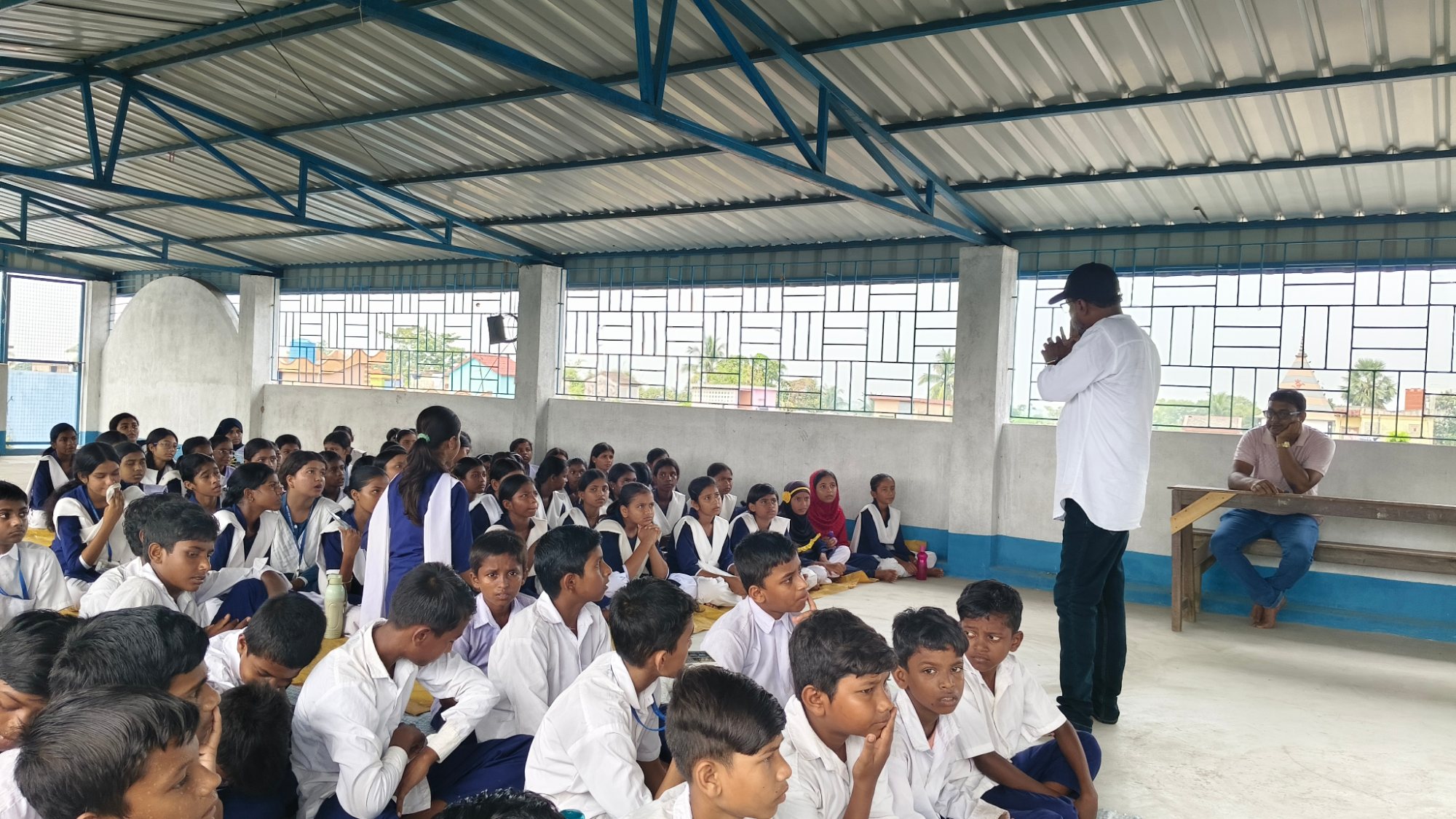
Learning for nature. Acting for nature. Building a better tomorrow.
An environmental awareness programme designed for school students across 250 schools in West Bengal. It aims to build environmental consciousness in the younger generation and to encourage students to become responsible, eco-friendly citizens.
Through interactive workshops, practical activities, slogan competitions and nature walks, students learn about climate change, waste management, water conservation and local biodiversity.
The project focuses on Gen Z students, encouraging them not only to understand environmental challenges but to take simple, practical actions in their homes, schools and communities.
Climate change and conservation, taught through discussion.
Reusing bottles, jars and everyday materials.
Students put the message in their own words.
Local biodiversity, seen first hand.
Today's students are tomorrow's responsible citizens. The programme asks them to learn about nature and to act for it.
Fund this project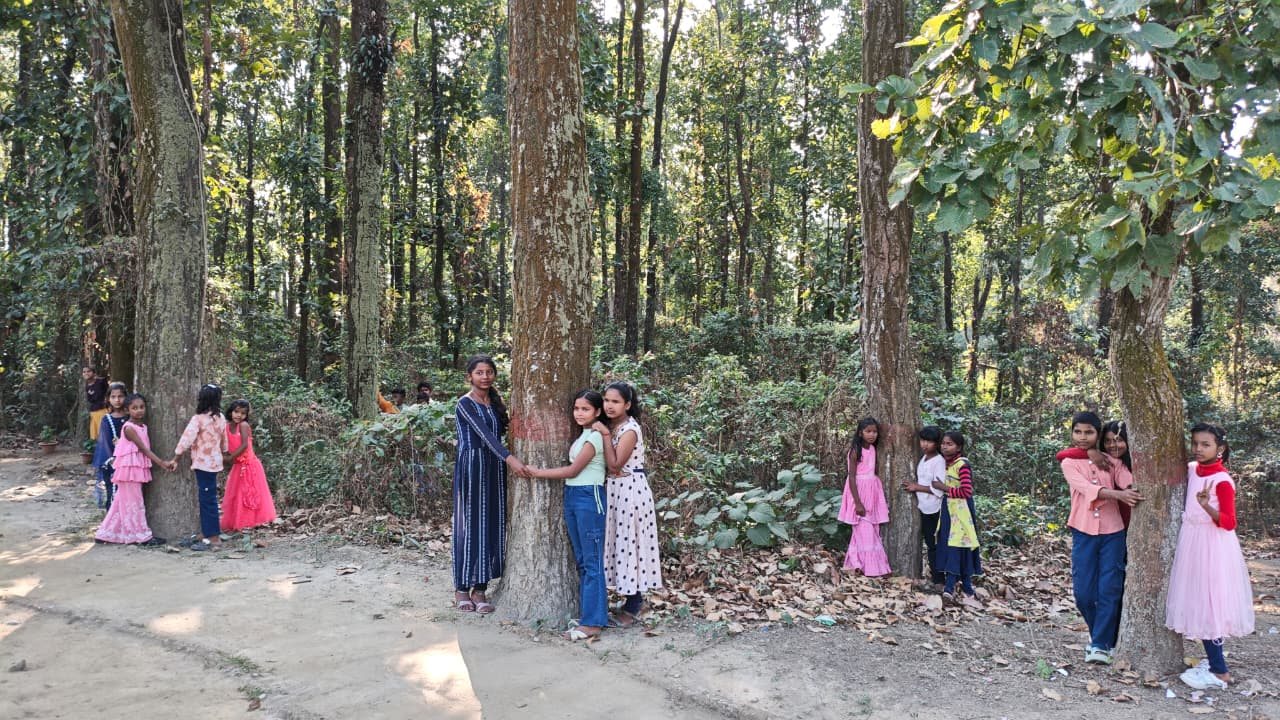
An initiative of the Department of Forest, Government of West Bengal, run with NGOs. FWN Foundation organises it several times every year.
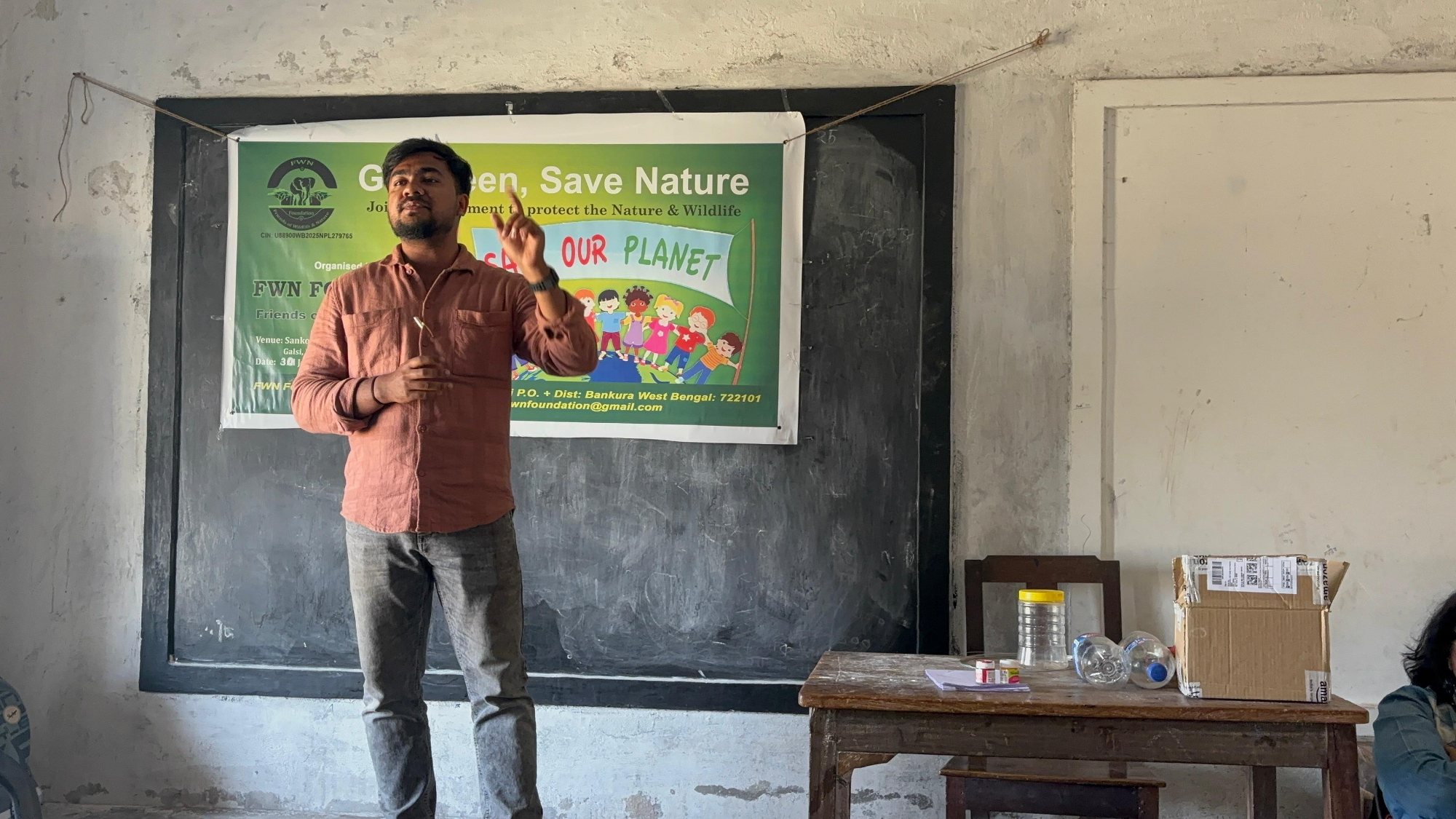
School students learn about climate change and carbon emissions, then make bird feeders and planting pots from reused bottles.
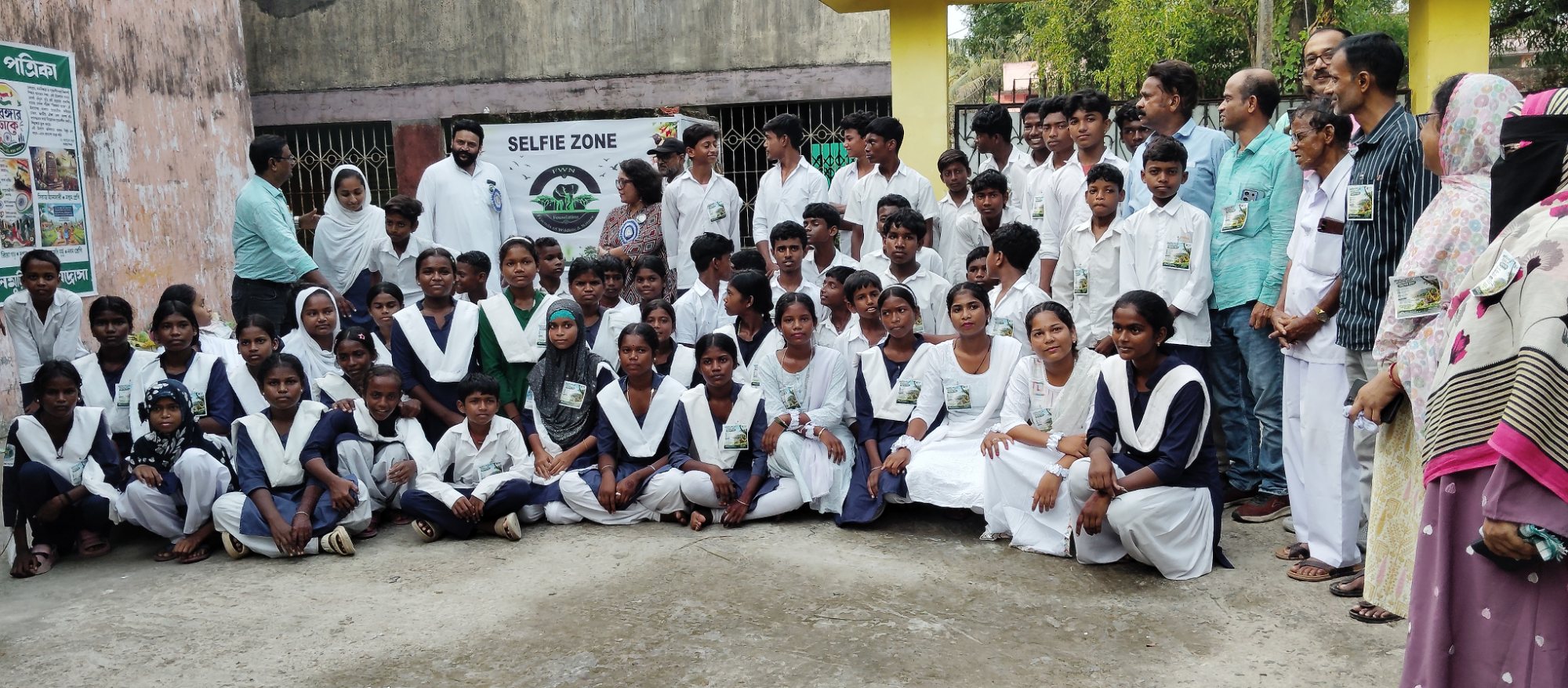
A Prakritir Pathshala day with the students and teachers of Tentulmuri High Madrasah, Galsi.
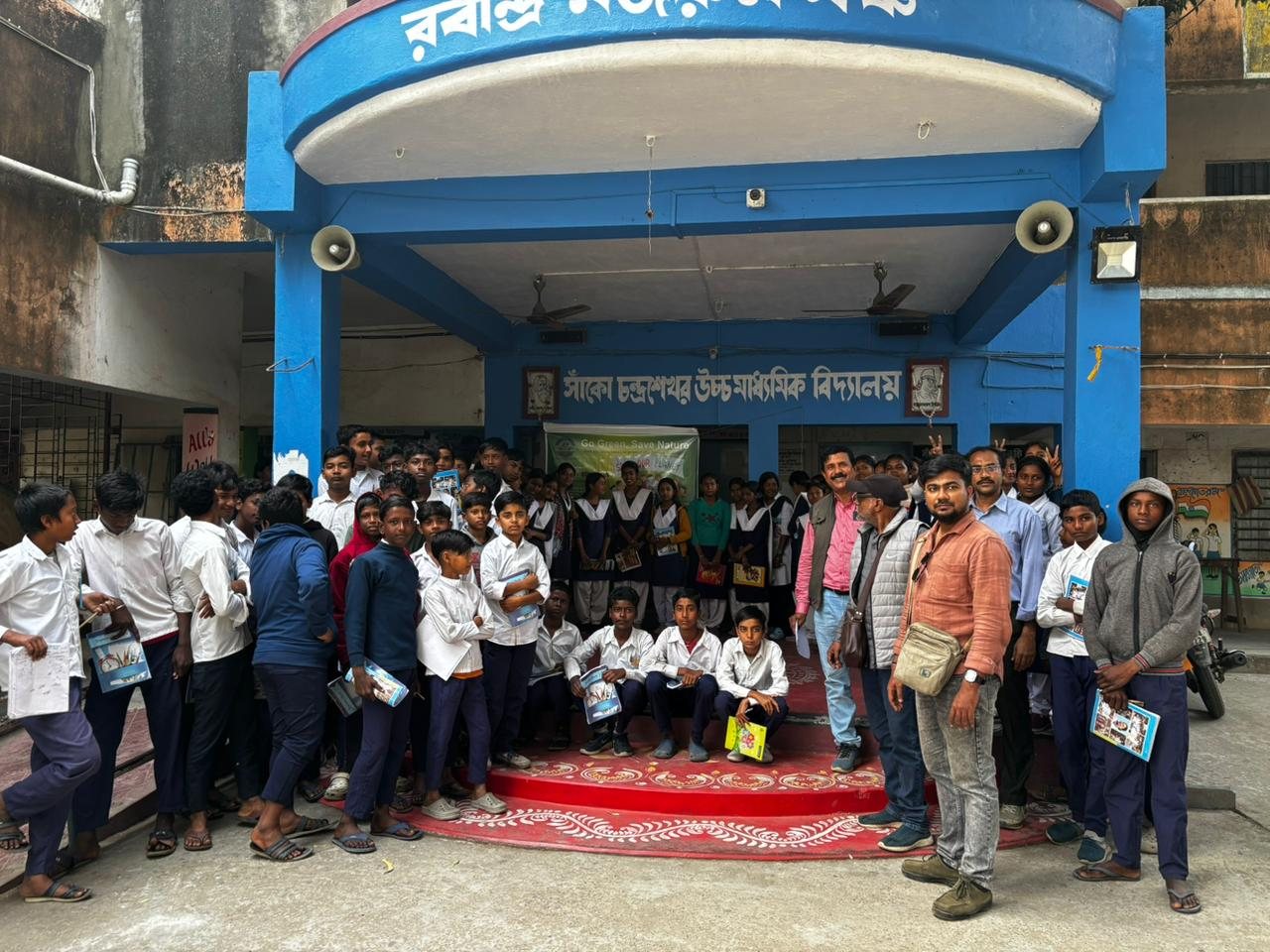
A Go Green, Save Nature session with the students of the school at Sanko, held in 2026.
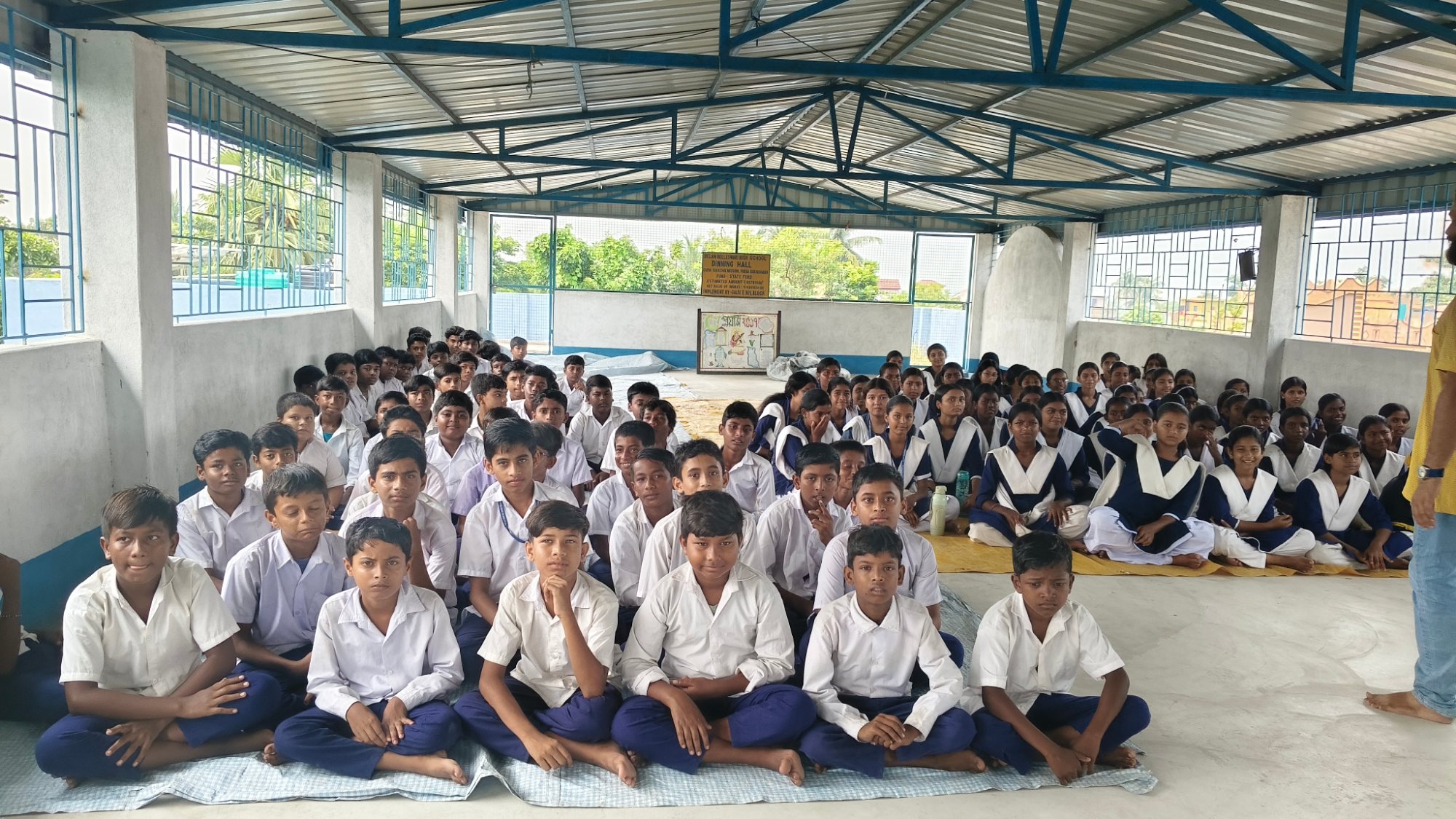
Prakritir Pathshala at Belan Belleswar High School on 16 September 2026.
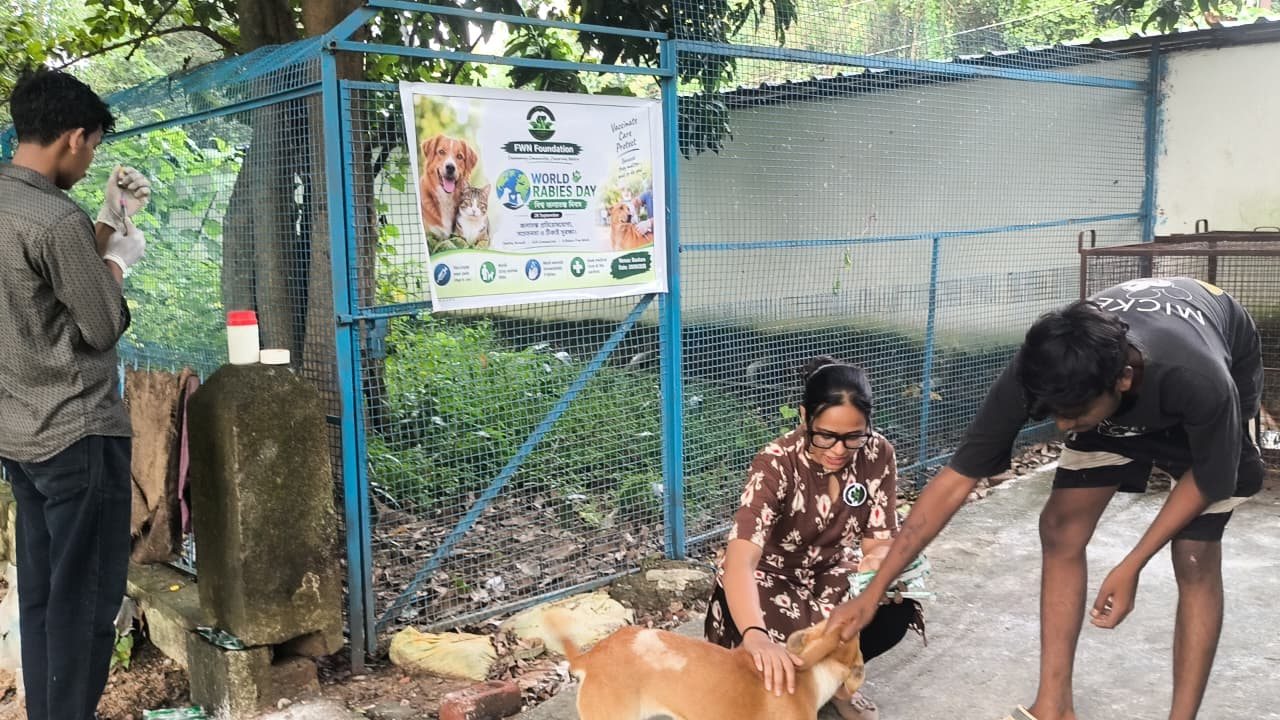
Vaccinate. Create awareness. Protect animals. Save lives. Part of the campaign for a rabies-free India by 2030.
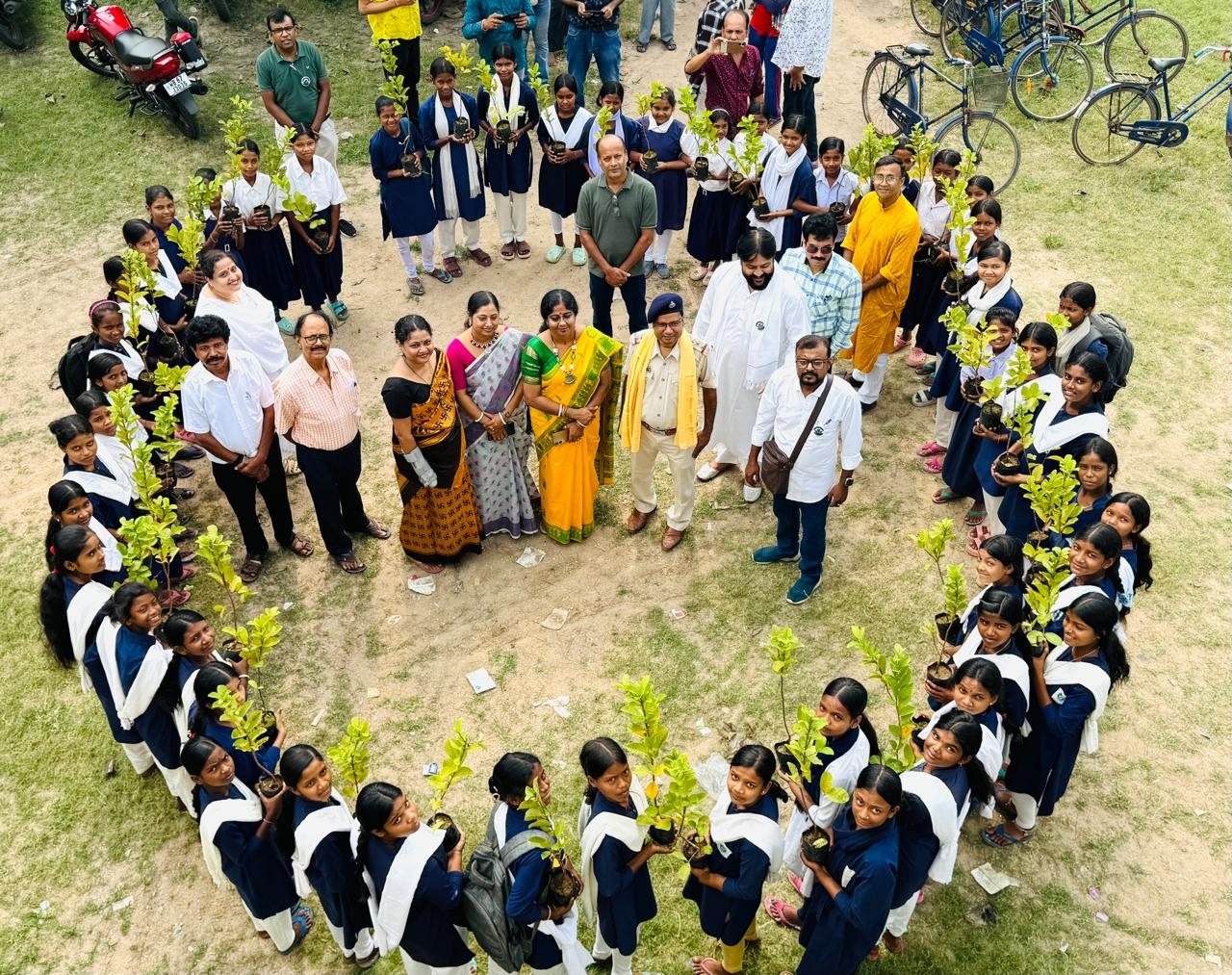
Seed pens, saplings and school kits for students, and new clothes for elders, shared before Durga Puja.
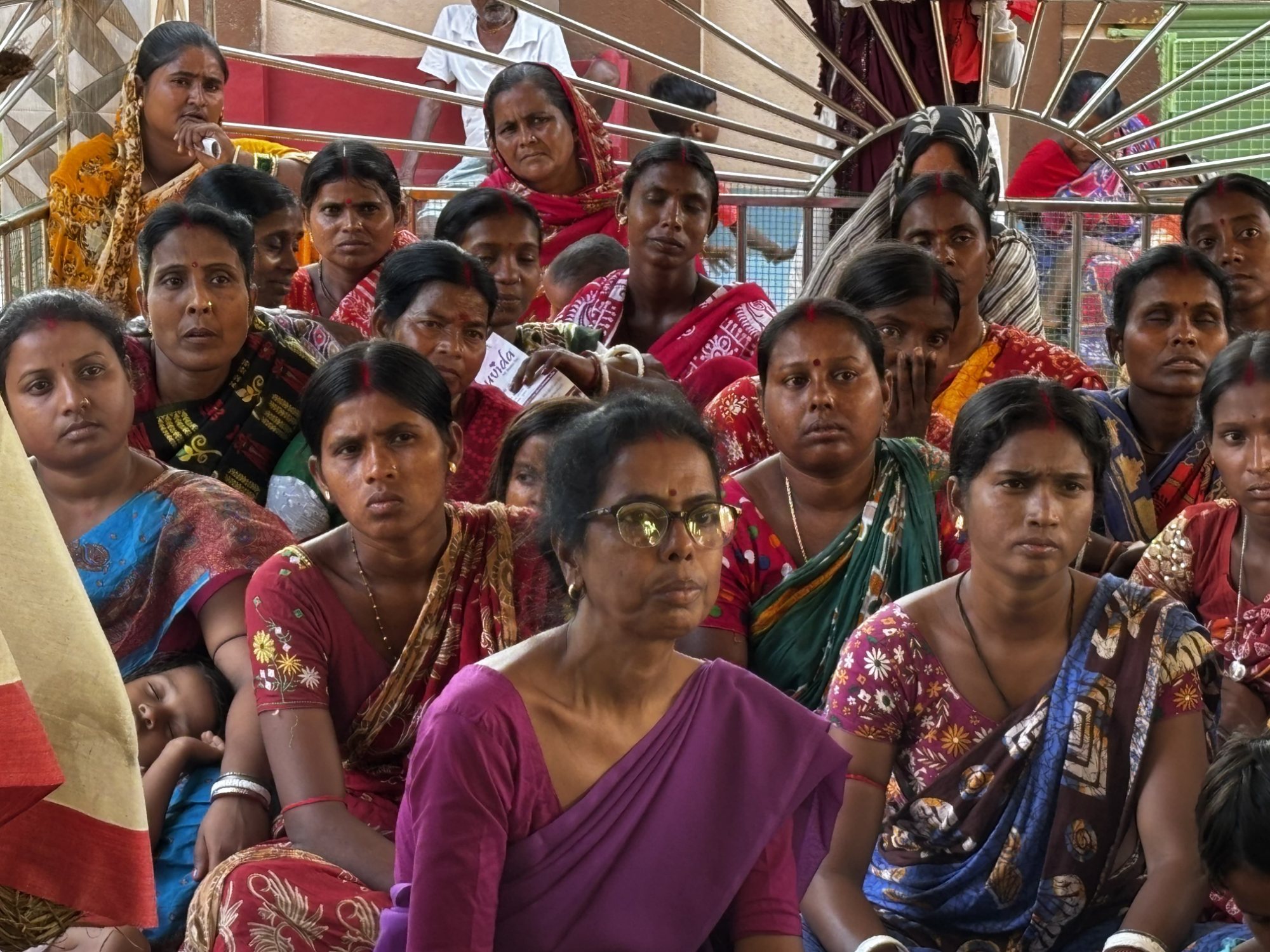
Awareness programmes in rural areas on family planning and the role of OCP, held in Birbhum and at Dhalabari, Jalpaiguri.
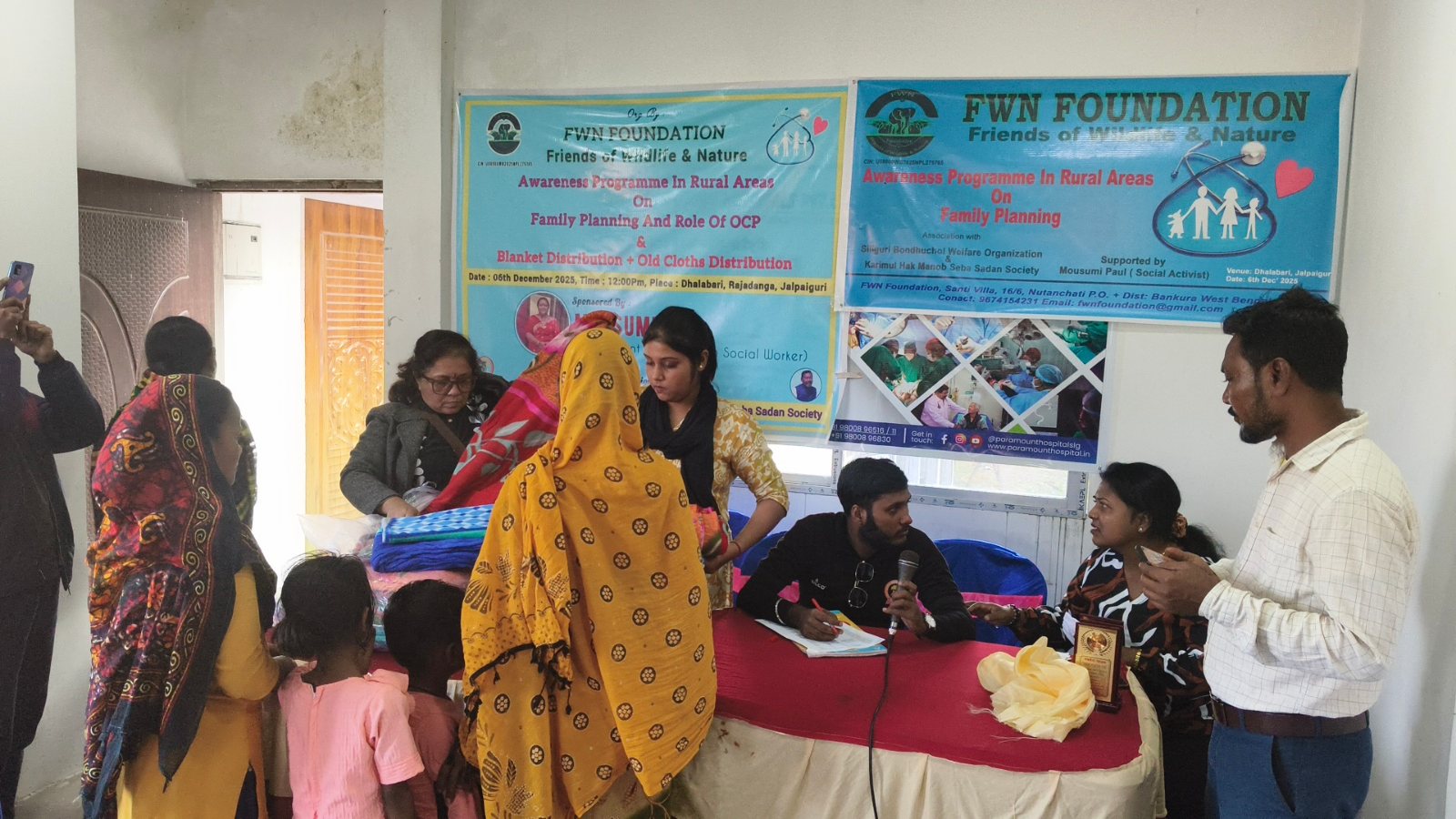
Blankets and clothes distributed at Dhalabari, Jalpaiguri, alongside the awareness camp of 6 December 2025.